
How Safety Tech Changes Test Drive Questions
Driver assistance features should be tested calmly, not assumed from a badge or window sticker.
Auto Market Report Research Desk / Updated 2026-03-18 / 4 min read
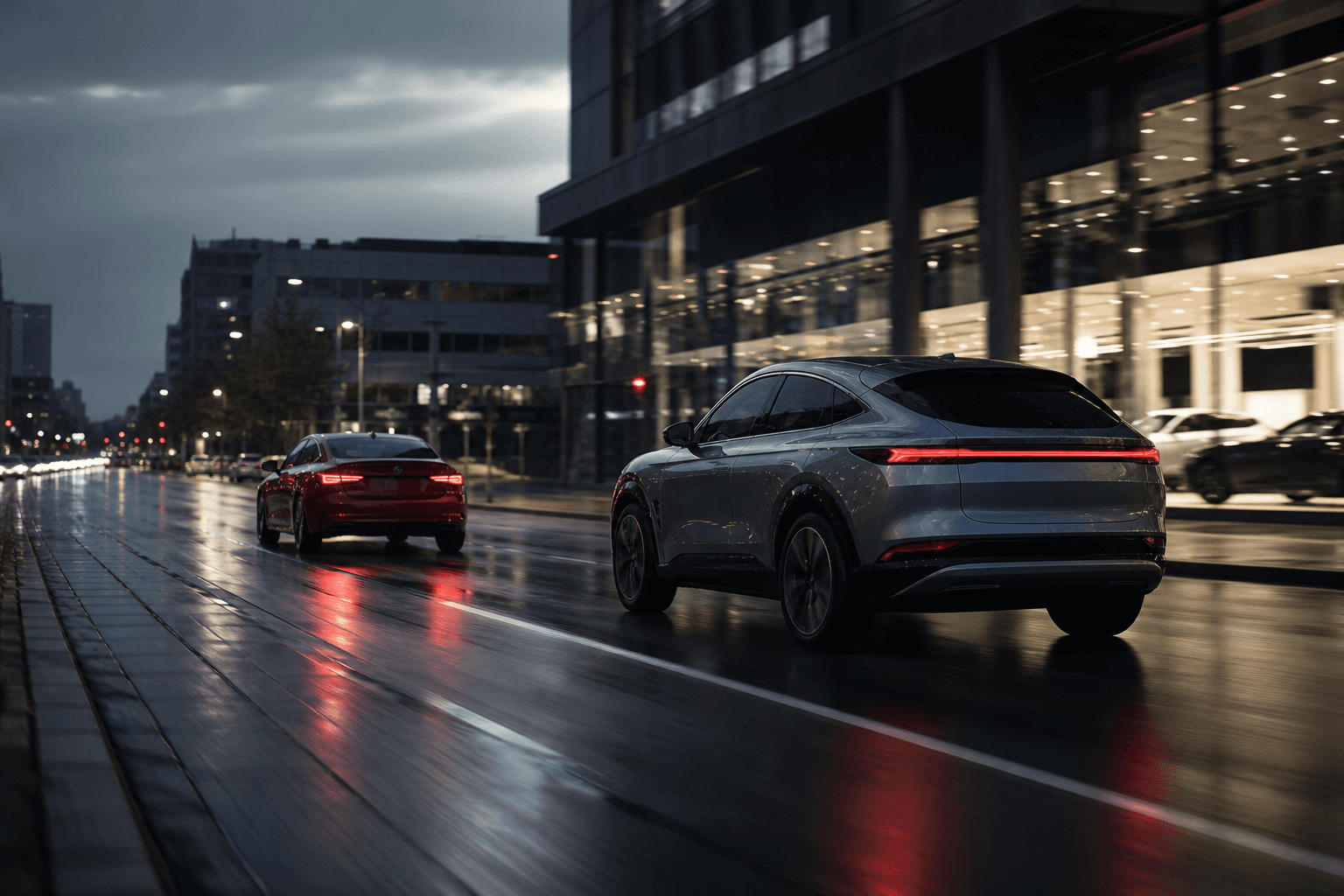
Safety technology has changed what a test drive needs to prove. Shoppers still need to evaluate comfort, noise, visibility, and acceleration, but they should also understand how driver assistance behaves in real traffic.
Start with terminology. Adaptive cruise control, lane centering, lane departure warning, blind-spot monitoring, automatic emergency braking, and traffic sign recognition are separate systems. A vehicle may have one without another.
During the drive, ask the salesperson to demonstrate settings, alerts, and steering-wheel controls. If traffic conditions are appropriate, test adaptive cruise and lane assistance gently. The goal is not to stress the system, but to see whether its behavior feels natural.
Used vehicles need another step: confirm sensors are calibrated and warning lights are absent. Prior windshield replacement, bumper repair, or wheel alignment issues can affect system performance.
Safety tech is most valuable when the driver trusts it and understands its limits. A short, thoughtful test drive can reveal whether the system helps or distracts.